Since 1867 · Sri Lanka

The World's Finest
Ceylon Tea

Harvested from the mist-draped highlands of Sri Lanka, where altitude, rainfall and climate conspire to craft the most celebrated cup on earth.

Scroll
Pure Ceylon Black Tea
Single Estate
Award Winning
Handpicked Leaves
Premium Heritage
Lion Logo Certified
Tea plantation Sri Lanka
157
Years

Born in the
Heart of Ceylon

Sri Lanka, formerly known as Ceylon, stands among the world's most revered tea-producing nations. In 1867, Scottish planter James Taylor introduced tea cultivation to the lush hills of Kandy — igniting a legacy that would transform an entire island.

When blight devastated the coffee plantations, tea rose magnificently to take its place, becoming the very soul of Sri Lanka's identity. Today, our teas carry that century-old promise: extraordinary character, nurtured by altitude, soil, and human dedication.

320M
Kg Annually
4
Key Regions
90+
Countries
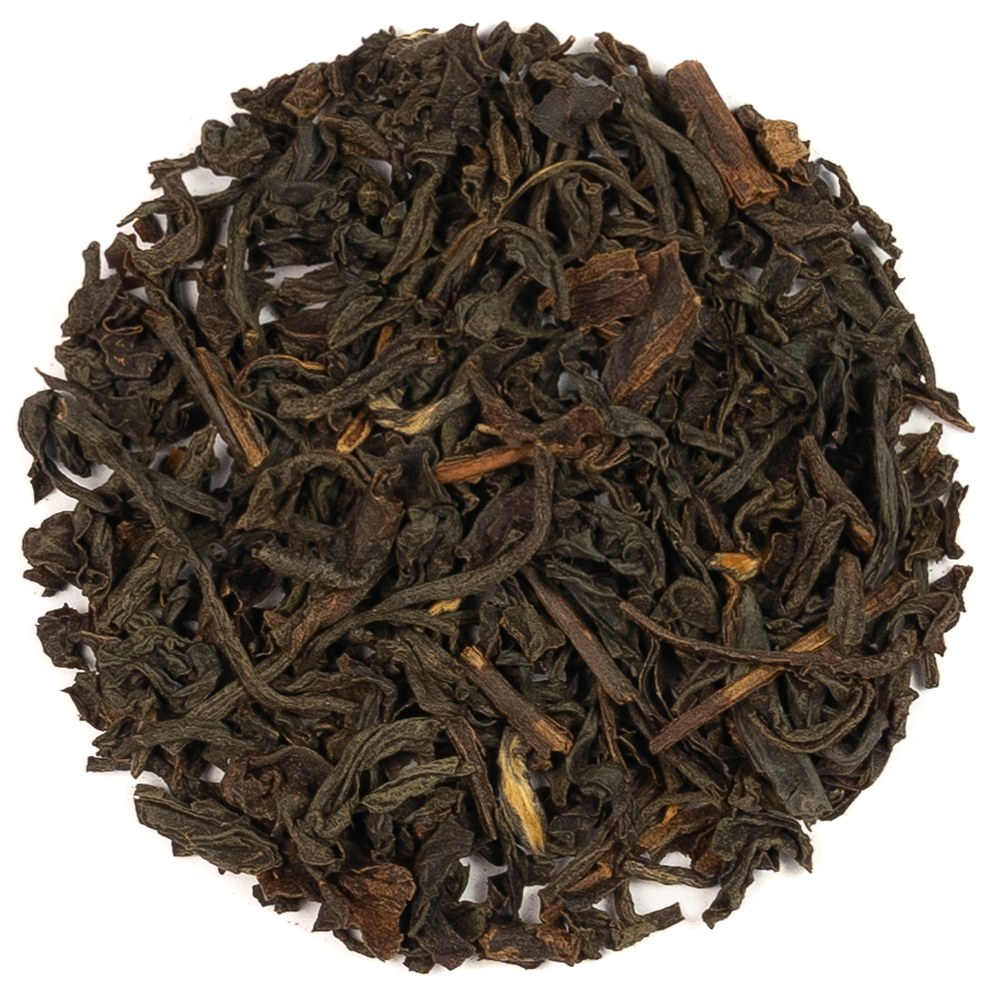
The Full Story of
Ceylon Tea

From a colonial experiment to the world's most celebrated cup — a journey spanning centuries, calamities, and extraordinary triumph.

1505

Portuguese Arrival

The Portuguese become the first Europeans to settle in Ceylon. Cinnamon was the era's prize export — centuries of colonial influence began laying the agricultural groundwork for what would become the world's most celebrated tea industry.

The Coffee Era Begins

Under British colonial rule, vast highland forests were transformed into coffee estates. By the 1840s, Ceylon had become one of Britain's most productive coffee colonies, employing thousands of Tamil workers brought from South India.

1840s
1867

James Taylor Plants the First Tea

Scottish planter James Taylor establishes the first commercial tea plantation on Loolecondera Estate in Kandy. Working with just 19 acres, he cultivated Assam tea seeds and processed the first crop on his bungalow verandah — sparking a revolution that would reshape a nation.

The Great Coffee Blight

Hemileia vastatrix — a devastating fungal rust — swept through Ceylon's coffee plantations with catastrophic speed. Within a decade, virtually every coffee bush was destroyed. Tea quietly rose from the ashes to replace it entirely.

1869
1890s

Ceylon Becomes the World's Tea Capital

Over 300,000 acres came under tea cultivation. Thomas Lipton purchased estates in 1890, famously bringing "tea from garden to teapot" to the British working class and cementing Ceylon's unrivalled global reputation.

Independence & ; the Lion Logo

Following independence in 1948, Sri Lanka introduced the iconic Lion Logo certification — guaranteeing authenticity and origin. This mark became one of the world's most recognised food quality symbols, protecting Ceylon tea globally.

1948
Today

A Legacy Preserved, A Future Brewed

Sri Lanka remains the world's fourth-largest tea producer, exporting over 320 million kilograms annually to more than 90 countries. Modern estates marry ancestral wisdom with sustainable farming for generations to come.

Featured
Teas

EARL GRAY
Bergamot Blend
EARL GRAY
Flavored With The Most Popular Bergamot.
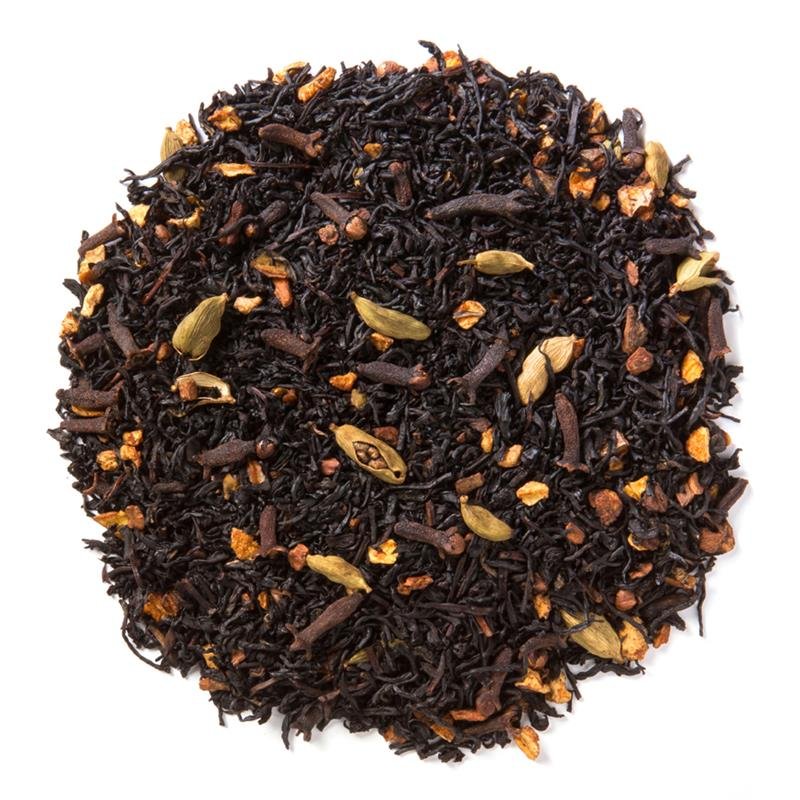
Chai
Spiced Blend
CHAI
Bold Spiced Tea Infused With Rich Aromatic Flavors.
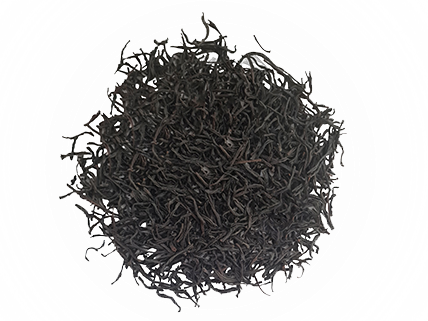
OP-1
Premium Grade
OP-1
Premium Long Leaf Tea With A Smooth Rich Taste.
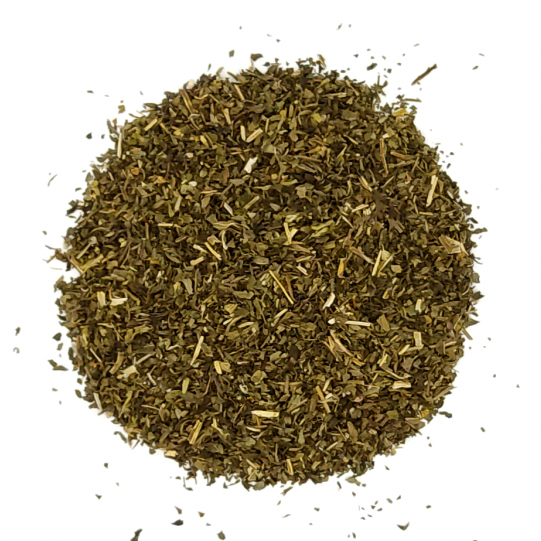
Peparamint
Cooling Blend
PEPPERMINT
Refreshing Minty Infusion With A Cool And Soothing Finish.

From Leaf to Cup

Before your tea reaches you, it travels through five remarkable stages — each one shaping the flavour, aroma, and character in your cup.

🌱
1

Plucking

Only the tender top two leaves and a bud are hand-plucked by skilled workers. This careful selection ensures only the finest, most flavourful material enters production.

💨
2

Withering

Fresh leaves are spread on large troughs for 12–18 hours. Warm air removes 50–70% of moisture, making the leaf soft and pliable — ready for rolling without breaking.

🔄
3

Rolling

Withered leaves are twisted and broken to release cell juices. This begins the chemical reactions that develop complex flavour compounds and creates the signature twisted shape.

⚗️
4

Oxidation

Rolled leaves are spread in cool, humid rooms for 1–3 hours. Green leaves turn rich copper and brown. This is where black tea's depth, maltiness, and body are born.

🔥
5

Firing & Grading

Leaves pass through dryers at 90°C to halt oxidation and lock in flavour. The dried tea is sorted by size into grades before packing for auction or export worldwide.

What Ceylon Tea
Does for You

Beyond flavour, Ceylon black tea is one of nature's most researched wellness beverages — nourishing body and mind in equal measure.

🧠

Mental Clarity

L-theanine — an amino acid unique to tea — works with caffeine to produce calm, focused alertness without the jittery anxiety of coffee. Studies show this combination enhances attention, working memory, and problem-solving performance.

❤️

Heart Health

Regular black tea consumption is linked to improved cardiovascular markers. Flavonoids in Ceylon tea support arterial function and help maintain healthy blood pressure — with 3 cups daily shown to reduce LDL cholesterol by up to 11%.

🛡️

Antioxidant Power

Ceylon black tea is extraordinarily rich in polyphenols — powerful antioxidants that neutralise free radicals. High-grown Ceylon teas contain among the highest concentrations of any black tea origin due to unique highland conditions.

Sustained Energy

Tea delivers caffeine gradually alongside L-theanine — producing 2–4 hours of smooth, sustained energy without the crash. A standard cup contains 40–70mg caffeine, making it a gentler and more balanced choice than coffee.

🦠

Gut Wellbeing

The polyphenols in black tea act as prebiotics — feeding beneficial bacteria in the gut microbiome. Regular tea drinkers show increased populations of health-promoting Lactobacillus species, supporting digestion and immune function.

🦷

Oral Health

Fluoride naturally present in Ceylon tea strengthens tooth enamel. The antibacterial properties of tea polyphenols inhibit Streptococcus mutans — the primary bacteria responsible for dental cavities — without coffee's damaging acidity.

The Do's &
Don'ts

✓ Always Do This

Warm your teapot first — a cold vessel steals heat and ruins extraction. A 30-second pre-warm with hot water costs nothing and improves every cup.

Use fresh cold water — freshly drawn water has dissolved oxygen that carries aroma. Reboiled water is flat and produces dull, lifeless tea regardless of leaf quality.

Measure your leaf — one teaspoon per 200ml is the benchmark. Adjust from there, but always start with the correct ratio rather than guessing.

Remove leaves on time — set a timer and remove the infuser promptly. Even 30 extra seconds can tip a beautiful cup into bitter, astringent territory.

Store tea airtight — in a cool, dark cupboard away from strong-smelling foods. Tea absorbs odours easily and stales quickly when exposed to light or moisture.

Taste plain first — try a new Ceylon tea without milk before adding any. You'll discover floral, fruity, and malty nuances that milk would gently mask.

✗ Never Do This

Never reboil water — it loses oxygen and produces a flat, lifeless cup regardless of how premium the tea leaf is. Always use freshly boiled water every time.

Never over-steep the tea leaves — leaving loose tea in hot water too long releases harsh, bitter tannins and ruins the balance of flavour. Always strain the tea at the recommended time.

✗ Never add too many extras at once — adding milk, lemon, sugar, and spices together can overpower the natural flavour of the tea. Choose simple additions so the tea’s character remains clear.

Never brew in a cold cup — room-temperature ceramic drops water temperature significantly on contact. A cold cup kills your perfectly timed steep immediately.

Never store near spices — tea is deeply absorbent. Stored beside coffee, garlic, or strong spices, it will absorb those flavours within days irreversibly.

Never rush the steep — stirring aggressively releases tannins unevenly and produces a murky, astringent cup. Patience is always the final ingredient.

"There is something deeply meditative about a cup of Ceylon tea — it carries the mist of the mountains, the patience of the planter, and the warmth of an ancient land."
— James Taylor Legacy Foundation, 1923
🍃

Enjoy Your Tea

Pause. Breathe. Let the warmth of a perfectly brewed Ceylon cup carry you to the mist-wrapped hills of Sri Lanka. Every sip holds a century of care, dedication, and love for the leaf.

💧
Fresh water at 93–95°C
Steep 5–10 minutes
🫖
Pre-warm your pot